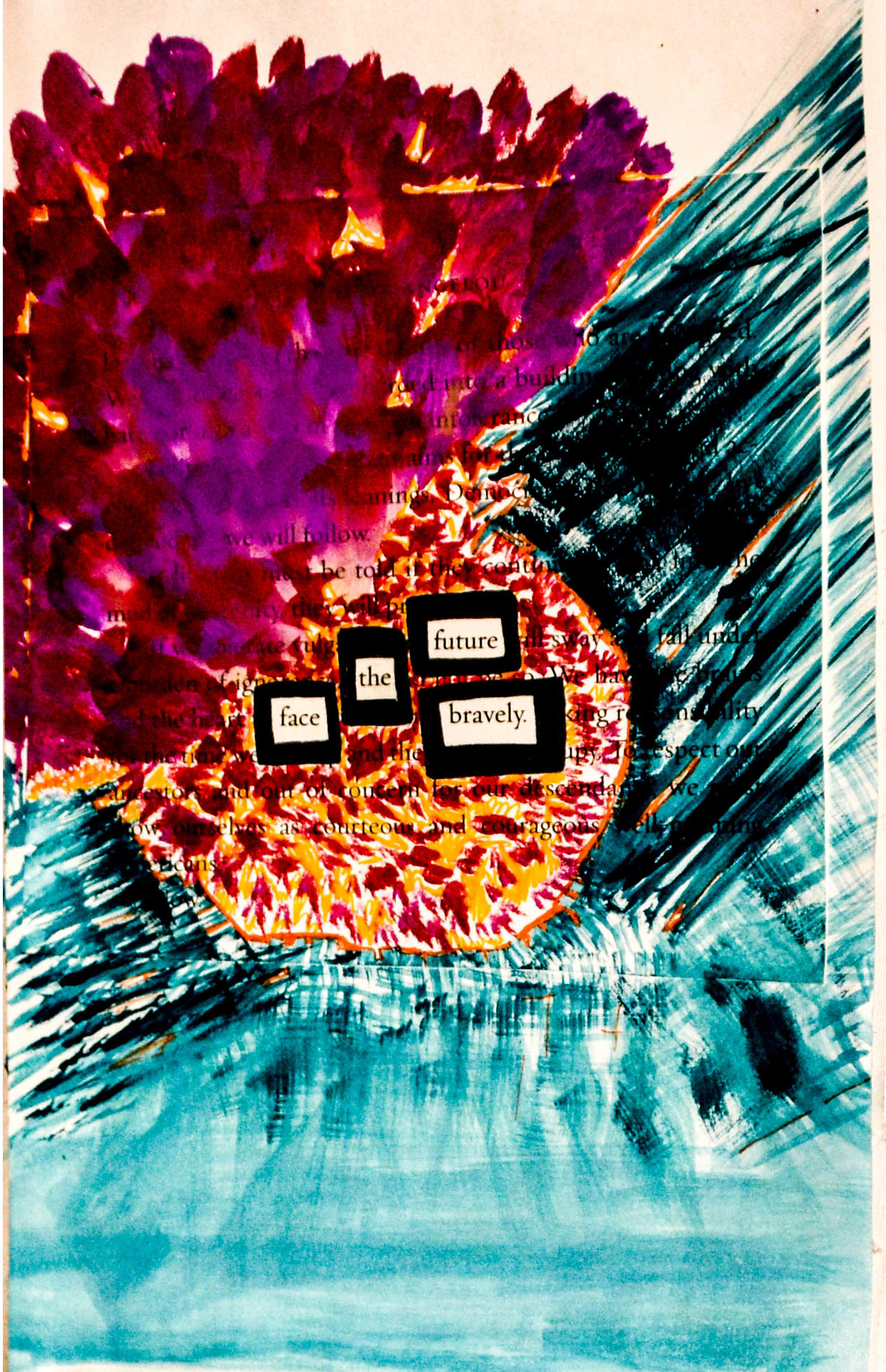
Landscape architecture in the 21st century is charged to address enormous issues relating to biodiversity loss, climate change, the effects of industrial pollution, global migration, pandemics, and so on. Additionally, landscape architects have the substantial responsibility to serve as social and environmental justice advocates. As a countermeasure to the deluge of planetary threats we face, it is more important than ever to create spaces that inspire, transform, and perform. Inspiration can be extracted from the sculptural, colorful, and novel. Green innovation leads to transformation of the built environment and advances new theories of practice. Landscapes that perform are ecologically biodiverse and maintain or improve human health and social welfare. This combination of awareness, sensitivity, art, and green innovation yields a new, hybrid "Eco-humanist" landscape typology that recognizes the inherent human preference for aesthetically poetic built environments while prudently tending to the environmental systems on which all living things depend.